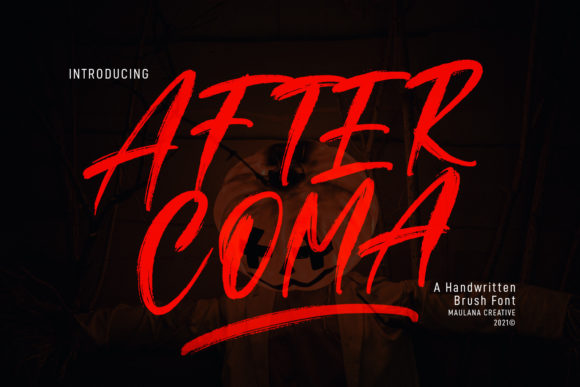
After Coma: Elevating Creations With a Brushed Display Font
Visual communication is rarely just about conveying information; it is about setting a tone, evoking an emotion, and establishing authority before a single word is fully processed. In the crowded landscape of digital design, typography serves as the primary vehicle for this emotional resonance. Among the vast array of typefaces available to designers, After Coma stands out not merely as a collection of characters, but as a distinct atmospheric tool. It is a creepy and brushed display font that brings a raw, textured energy to any project. Whether you are designing a horror movie poster, a gritty streetwear brand identity, or a high-concept editorial layout, understanding the specific utility of After Coma can transform a good design into an unforgettable experience.
What Is After Coma?
At its core, After Coma is a display font characterized by its "creepy" aesthetic and "brushed" texture. Unlike standard serif or sans-serif fonts that prioritize legibility and neutrality, After Coma is designed to be noticed. The term "brushed" refers to the visual simulation of brush strokes, giving each letterform an organic, hand-drawn quality that feels imperfect yet intentional. This imperfection is key to its appeal. It mimics the look of paint applied quickly or aggressively, leaving behind traces of the artist’s hand.
The "creepy" descriptor suggests a psychological undercurrent. The spacing, the sharp angles, and the erratic weight variations create a sense of unease or mystery. This makes it particularly effective in genres where tension is paramount. However, describing it solely as "scary" limits its potential. It is more accurately described as intense, dramatic, and highly stylized. It commands attention through its visual noise and texture, making it an incredible asset to any font library for those who need to make a bold statement.
Why Different Audiences Care About Texture and Tone
The value of a font like After Coma varies significantly depending on the user’s goals. For some, typography is a functional necessity; for others, it is the main artistic medium. Understanding these differing priorities helps in evaluating whether this specific typeface fits your workflow.
- Legibility vs. Atmosphere: General readers care about ease of reading. They want clear text for articles, manuals, or websites. After Coma is generally unsuitable for body text due to its complex textures and irregular shapes. However, creative directors care about atmosphere. They seek fonts that establish a mood instantly. For them, After Coma is valuable because it communicates genre and tone without needing additional imagery.
- Consistency vs. Character: Corporate professionals often prioritize consistency and brand safety. A clean sans-serif ensures a message is received without distraction. Conversely, artists and hobbyists may value character over consistency. They might choose After Coma specifically because it breaks the mold of uniform digital perfection, adding a human or chaotic element that feels authentic.
- Speed vs. Detail: Freelancers working on tight deadlines might avoid complex fonts if they require extensive manipulation. However, because After Coma carries such a strong inherent style, it often requires less supplementary design work. A headline set in After Coma might need only minimal adjustment to look complete, saving time while delivering high impact.
Evaluating After Coma Across Different Use Cases
To determine if After Coma is the right choice, it helps to look at how different types of creators might utilize it. The font’s versatility lies in its ability to adapt to various dark or edgy themes.
For Horror and Thriller Enthusiasts
If you are a publisher, indie game developer, or filmmaker working within the horror, thriller, or supernatural genres, After Coma is almost tailor-made for your needs. The "creepy" aspect aligns perfectly with narratives involving suspense, fear, or the unknown. Imagine a title card for a short film or a cover for a psychological thriller novel. The brushed texture suggests violence or urgency, while the eerie spacing keeps the viewer on edge. In this context, the font is not just a label; it is a narrative device.
For Brand Identity and Streetwear Designers
Entrepreneurs and small business owners in niche markets, such as alternative fashion, music festivals, or craft breweries, often rely on typography to define their brand voice. After Coma can lend a rugged, authentic feel to logos and merchandise. The "brushed" look implies craftsmanship and grit, which resonates well with audiences who value authenticity over polish. A t-shirt design featuring After Coma can convey a sense of rebellion or underground culture, helping brands connect with younger demographics who appreciate raw aesthetics.
For Educators and Content Creators
Educators and bloggers might initially overlook a font like After Coma, assuming it is too informal or aggressive for instructional content. However, when used sparingly for emphasis, headers, or special features, it can break up monotony. For example, an educator teaching art history might use After Coma to highlight sections on expressionist movements or gothic literature. It adds visual interest that can help maintain student engagement. Similarly, a blogger writing about true crime or urban exploration could use it for pull quotes or section dividers to enhance the storytelling experience.
For Hobbyists and Digital Artists
Hobbyists who enjoy digital art, scrapbooking, or personal journaling often seek fonts that add personality to their projects. After Coma offers a unique texture that can elevate simple designs. Because it is a display font, it works well for large-scale applications like posters, invitations, or social media graphics. The varied stroke widths allow for creative layering effects, enabling users to experiment with opacity and blending modes to create depth. This flexibility encourages experimentation, which is crucial for learning and creative growth.
Priorities in Selection: Quality, Flexibility, and Long-Term Use
When evaluating After Coma, consider what you prioritize in a font purchase or download. Quality is evident in the rendering of the brush strokes; a good display font should look crisp at various sizes without losing its texture. Flexibility is another key factor. While After Coma is best suited for headlines and titles, checking its kerning and ligature support can determine how easy it is to work with. If the spacing is inconsistent, it may require manual adjustment, which impacts speed and reliability.
Commercial value is also a consideration. If you plan to use After Coma in products you sell, ensure you have the appropriate license. Fonts with strong stylistic identities often command higher commercial value because they can serve as a central design element. Long-term usefulness depends on trend cycles. While "creepy" and "brushed" styles have enduring appeal in certain niches, they may fall out of favor in minimalist trends. However, because After Coma has a distinct character, it can act as a timeless accent piece rather than a fleeting trend follower.
Determining Fit for Your Goals
Ultimately, the decision to include After Coma in your toolkit depends on your specific needs. Ask yourself:
- Does my project need atmosphere? If yes, After Coma is a strong candidate.
- Am I designing for impact over readability? If yes, its display nature is an advantage.
- Do I need a font that conveys intensity or mystery? Its creepy aesthetic delivers this directly.
By aligning the font’s characteristics with your project’s emotional goals, you can leverage After Coma to create designs that are not only visually striking but also emotionally resonant. It is an incredible asset for those willing to embrace its bold, unapologetic style.