Evaluating Monster Scream: A Practical Guide to Gothic Display Typography for Seasonal Projects
Selecting the right typeface is rarely just about aesthetics; it is a functional decision that impacts readability, brand perception, and production feasibility. When the goal is to evoke a specific mood—particularly one rooted in horror, mystery, or seasonal celebration—the margin for error shrinks significantly. Monster Scream has emerged as a notable option within the display font category, specifically targeting creators who need immediate visual impact without compromising on technical usability. This evaluation examines what makes this gothic-lettered typeface distinct, how it performs in real-world applications, and whether its feature set aligns with your project requirements.
Defining the Visual Identity of Monster Scream
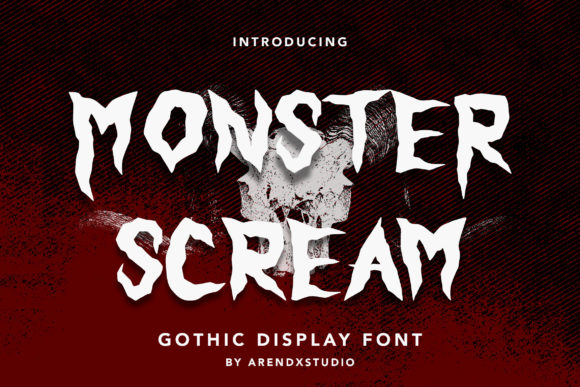
At its core, Monster Scream is a display font designed to capture the essence of classic horror typography. It utilizes a gothic letterform structure, characterized by sharp angles, high contrast, and an aggressive stance. Unlike traditional serif or sans-serif fonts that prioritize neutrality, this typeface is intentionally expressive. The letters appear jagged and distressed, mimicking the texture of aged parchment, scratched stone, or perhaps even claw marks. This stylistic choice makes it immediately recognizable, allowing designers to communicate a theme of fear or excitement before the viewer even reads the text.
The font’s appeal lies in its balance between legibility and atmosphere. While many "spooky" fonts sacrifice clarity for style, often becoming illegible at smaller sizes, Monster Scream maintains enough structural integrity to remain readable in headlines and large-format displays. The glyphs are bold and heavy, ensuring they command attention on posters, banners, and social media graphics. For professionals working on Halloween campaigns, haunted attraction signage, or themed event invitations, this balance is critical. You want the audience to feel the chill, but you also need them to understand the message.
The Role of PUA Encoding in Workflow Efficiency
One of the most significant technical advantages of Monster Scream is its encoding method. The font is PUA encoded, which stands for Private Use Area encoding. In standard font licensing and technical implementation, special characters, swashes, ligatures, and decorative alternates are sometimes hidden behind complex OpenType features that require specific software support or manual activation. This can create friction in a fast-paced design workflow.
With PUA encoding, all glyphs and swashes are mapped directly to accessible character codes within the font file. This means you can access every variation—from standard letters to elaborate ornamental flourishes—simply by typing or selecting from the character map. There is no need to navigate through nested menus or worry about compatibility issues across different design platforms. For users who value speed and ease of use, this feature reduces the cognitive load associated with font management. It allows for a more intuitive creative process, where swapping a standard 'S' for a stylized, dripping variant is as simple as changing a single character code.
Comparative Analysis: Where Monster Scream Fits
To understand the true value of Monster Scream, it is helpful to compare it against broader categories of decorative and display fonts. The market offers several approaches to achieving a "gothic" or "horror" aesthetic, each with distinct tradeoffs.
- Traditional Serif Fonts: Classic serif typefaces like Bodoni or Didot offer elegance and high readability but lack the inherent aggression required for horror themes. They can be modified with effects, but they do not carry the thematic weight out of the box.
- Handwritten Script Fonts: These fonts provide a personal, human touch, often used for elegant weddings or casual blogs. However, they generally fail to convey the stark, imposing presence needed for spooky projects. They may read as whimsical rather than frightening.
- Distressed Grunge Fonts: Many modern grunge fonts simulate decay and damage. While effective, some suffer from poor kerning or inconsistent stroke weights, making them difficult to pair with other elements. Monster Scream offers a more cohesive gothic structure, providing a unified look that feels intentional rather than randomly eroded.
- Vector Illustrations vs. Typography: Some designers opt to create custom vector lettering for every project. While this offers maximum uniqueness, it is time-consuming and expensive. Using a pre-designed font like Monster Scream provides a professional finish instantly, allowing resources to be allocated to layout and composition rather than drawing individual letters.
In this landscape, Monster Scream occupies a niche that prioritizes thematic accuracy combined with technical reliability. It is not merely a novelty item; it is a tool designed for consistent application across various media.
Practical Applications and Best-Fit Scenarios
Understanding when to use a font is as important as knowing how to use it. Monster Scream is best suited for contexts where the text serves as a primary visual hook. Its heavy, gothic nature makes it ideal for:
- Event Posters and Flyers: The high contrast and bold shapes ensure visibility from a distance. Whether advertising a Halloween party, a haunted house tour, or a theatrical performance, the font sets the tone immediately.
- Product Packaging: For limited-edition products such as candy, costumes, or decorations, this font adds shelf appeal. It signals to the consumer that the product is part of a festive, themed experience.
- Social Media Graphics: In the crowded environment of digital feeds, bold typography stops the scroll. The unique swashes available via PUA encoding allow for eye-catching variations that stand out among generic templates.
- Merchandise Design: When transferring designs to t-shirts, mugs, or stickers, the clean vector paths of the glyphs ensure crisp reproduction. The font’s distinct shape remains identifiable even when scaled down or printed on textured materials.
However, there are limitations. Due to its decorative nature, Monster Scream is unsuitable for body copy or long-form reading. Using it for paragraphs of text would fatigue the reader and obscure the content. It should always be reserved for headlines, titles, logos, and short phrases where impact outweighs information density.
Evaluating Tradeoffs and Decision Factors
No single font is perfect for every situation. When evaluating Monster Scream against alternatives, consider the following factors:
Versatility vs. Specificity
Monster Scream is highly specialized. If your project requires a mix of serious informational text and occasional decorative headers, you will likely need to pair it with a neutral sans-serif or serif font. This pairing strategy is common in professional design but adds complexity to the selection process. If you need a single font that can handle both headings and body text, a more versatile display font might be a better choice.
Brand Consistency
For brands that operate year-round, using a heavily seasonal font like Monster Scream requires careful planning. It creates a strong association with Halloween or horror themes. If your brand identity is meant to be timeless, relying on such a specific aesthetic might limit your design options outside of the holiday season. Conversely, for businesses that thrive on seasonal engagement, this specificity is a strength, allowing for targeted marketing that resonates with current cultural trends.
Technical Accessibility
The PUA encoding is a significant benefit, but it does require that your design software supports viewing and inserting PUA characters. Most major professional tools (Adobe Creative Cloud, Affinity Suite, etc.) handle this well. However, if you are working with simpler web-based editors or mobile apps, you must verify that the platform allows for custom glyph insertion. This is a minor hurdle for most professionals but could be a barrier for casual users.
Conclusion on Suitability
Monster Scream stands out as a robust option for designers seeking a reliable, atmospheric gothic typeface. Its combination of striking visual style, easy access to decorative swashes through PUA encoding, and clear thematic focus makes it a valuable asset for Halloween-related projects and crafty ideas. It excels in scenarios where immediate visual communication is paramount.
While it is not a universal solution for all typographic needs, its strengths in display usage are undeniable. By understanding its limitations regarding body text and its specific aesthetic alignment, creators can leverage Monster Scream to produce compelling, professional-grade designs that effectively engage their audience. For those comparing options, the key decision factor should be the desired emotional response: if the goal is to evoke intrigue, fear, or festive excitement, Monster Scream provides a direct and efficient path to achieving that result.