Ziga Font Evaluation: A Whimsical Display Type for Creative Projects
In the landscape of digital typography, selecting the right typeface is often a balancing act between legibility, brand identity, and aesthetic appeal. For designers, crafters, and small business owners looking to add a distinct personality to their visual communications, display fonts play a crucial role. One such typeface that has garnered attention in recent design circles is Ziga. Described as a whimsical, wavy, and chic display font, Ziga offers a specific visual character that sets it apart from more utilitarian sans-serifs or traditional serifs. This evaluation explores the characteristics of Ziga, its potential applications, and the practical considerations necessary when deciding whether to incorporate it into your next project.
Understanding the Design Language of Ziga
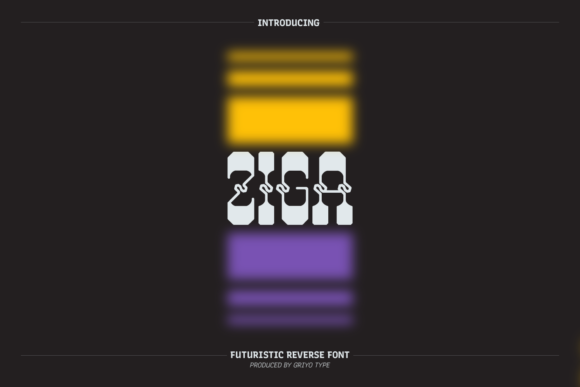
To evaluate Ziga effectively, one must first understand its structural DNA. The font is categorized as a display font, which means it is designed primarily for use at large sizes rather than for extended body text. Its defining features include a wavy baseline and organic curves that lend it a sense of movement and fluidity. The term "chic" suggests a modern, sophisticated undertone, preventing the whimsy from becoming overly childish or chaotic. Instead, Ziga strikes a balance that feels playful yet polished.
This combination of wavy forms and elegant styling makes Ziga particularly suitable for projects where emotional resonance is key. Unlike geometric or humanist sans-serif fonts that prioritize clarity above all else, Ziga prioritizes character. It invites the viewer to pause and appreciate the shape of the letters themselves. This makes it an excellent candidate for headlines, logos, and short textual elements where impact matters more than readability over long distances.
Ideal Use Cases and Applications
The versatility of Ziga lies in its ability to elevate various crafting and branding ideas. Because of its distinctive style, it performs best in contexts where it can be the focal point of the design. Below are several scenarios where Ziga proves to be a strong fit:
- Personalized Cards and Stationery: For greeting cards, wedding invitations, or event save-the-dates, Ziga adds a touch of elegance and fun. Its wavy nature can mimic ribbons or flowing lines, making it ideal for romantic or celebratory themes without feeling stiff.
- Brand Identity and Logos: Small businesses in the creative industries, such as bakeries, boutiques, or artisanal shops, may find Ziga aligns well with their brand voice. It communicates approachability and creativity, helping brands stand out in crowded marketplaces.
- Product Labels and Packaging: When designing labels for handmade goods, candles, or specialty foods, Ziga can provide a unique shelf presence. The font’s chic quality ensures that the packaging looks professional, while its whimsy suggests a product made with care and personality.
- Social Media Graphics: In the fast-paced environment of social media, bold and distinctive typography grabs attention. Ziga works well for quote graphics, promotional banners, or story overlays where quick visual recognition is essential.
Benefits of Choosing Ziga
Selecting Ziga comes with several tangible benefits for creators. First, its distinctive aesthetic reduces the risk of generic-looking designs. In a sea of standard Helvetica or Arial, a wavy display font immediately signals that the creator has put thought into the visual details. Second, the font’s versatility within its niche allows it to bridge the gap between formal and informal. It is not so casual that it lacks sophistication, nor is it so rigid that it feels corporate.
Furthermore, Ziga is easy to integrate into existing design workflows. As a display font, it requires minimal setup to achieve a desired effect. Pairing it with a simple, neutral sans-serif for body text creates a harmonious contrast that enhances readability while maintaining visual interest. This ease of pairing makes it accessible even to those with limited typographic experience.
Tradeoffs and Considerations
While Ziga offers many advantages, it is important to acknowledge its limitations. As a display font, it is not suitable for body copy. Attempting to read long paragraphs set in Ziga would lead to eye strain and confusion due to the irregular baseline and varying letter shapes. Designers must plan their hierarchy carefully, using Ziga only for titles, headers, or short phrases.
Another consideration is the potential for visual clutter. If Ziga is used excessively or paired with other busy patterns and colors, the design can become overwhelming. The wavy nature of the font already introduces movement; adding too much competing visual noise can detract from its charm. Therefore, ample white space and minimalist backgrounds are recommended to let the font breathe.
Additionally, accessibility should be taken into account. While Ziga is stylish, its decorative nature may reduce legibility for users with visual impairments or dyslexia. It is crucial to ensure that any critical information conveyed through Ziga is also available in a more standard, highly readable font format.
When to Consider Alternatives
There are situations where Ziga may not be the optimal choice. If your project requires a tone of seriousness, authority, or strict professionalism—such as legal documents, financial reports, or medical information—a more traditional serif or clean sans-serif would be more appropriate. Similarly, if you need a font that supports multiple languages or extensive character sets, you should verify Ziga’s coverage. Many display fonts have limited glyph support, which could restrict your global reach.
For projects requiring a minimalist or ultra-modern aesthetic, Ziga’s whimsy might feel out of place. In such cases, geometric sans-serifs or neo-grotesque fonts would better serve the goal of understated elegance. Evaluating the overall mood of your project before committing to Ziga will help avoid mismatches between the typeface and the message.
Practical Decision-Making Insights
To determine if Ziga aligns with your goals, consider the following questions:
- What is the primary emotion you want to evoke? If the answer involves joy, creativity, or relaxation, Ziga is a strong contender.
- Where will the text appear? Ensure the size and context allow the wavy details to be appreciated without compromising readability.
- How will it pair with other elements? Test Ziga alongside your chosen background colors and secondary fonts to ensure harmony.
By approaching Ziga as a strategic tool rather than just a decorative option, you can leverage its unique qualities to enhance your creative output. Whether used for a handmade card or a boutique brand identity, Ziga offers a chic and whimsical solution for those seeking to add a touch of personality to their work. Ultimately, the success of the font depends on thoughtful application and respect for its strengths and limitations.