Hello Banana: A Playful Font for Brighter Designs
In the vast landscape of digital and print design, typography serves as the voice of your visual content. It sets the tone, establishes hierarchy, and evokes emotion before a single word is fully read. Among the thousands of typefaces available to designers, Hello Banana stands out as a distinctive choice for projects that require warmth, whimsy, and immediate approachability. This chunky display font is not merely a collection of letters; it is a personality-driven tool designed to bring energy to informal and creative endeavors.
Whether you are a graphic designer looking for that perfect headline for a children’s book cover, a small business owner branding a new line of apparel, or a hobbyist creating custom party invitations, understanding the nuances of Hello Banana can significantly elevate your work. This article explores the characteristics, applications, and practical considerations of using this playful typeface in your next project.
The Character and Personality of Hello Banana
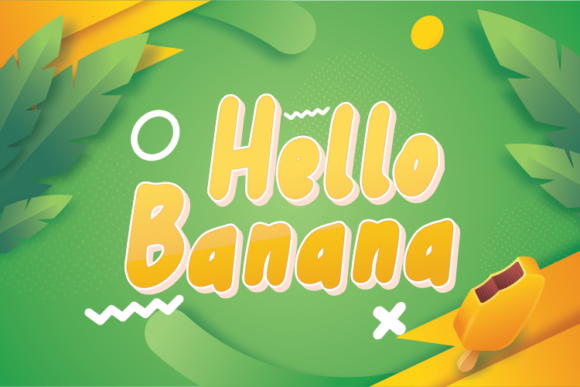
To understand why Hello Banana is effective, one must first appreciate its aesthetic DNA. As described by its creators, it is a playful and chunky display font. The term "chunky" refers to the substantial weight of the letterforms. Unlike thin, delicate scripts that demand careful reading, Hello Banana commands attention. Its bold strokes and rounded edges create a sense of softness and friendliness, making it inherently inviting to the viewer.
The font’s name itself suggests a connection to nature, fun, and perhaps a touch of humor. The characters often feature slight irregularities or organic curves that mimic hand-drawn illustrations rather than rigid geometric precision. This imperfection is intentional. In an era where digital designs can sometimes feel sterile or overly polished, Hello Banana offers a human touch. It feels like it was drawn with a thick marker on a whiteboard or stamped onto a craft project, which resonates deeply with audiences seeking authenticity and joy.
This personality makes it particularly effective at brightening your day, as noted in its promotional descriptions. When used correctly, the font does not just convey information; it conveys a mood. It signals to the reader that the content following it is lighthearted, accessible, and meant to be enjoyed rather than scrutinized.
Ideal Use Cases and Applications
While any font has a specific niche, Hello Banana excels in environments where informality and engagement are paramount. It is less suited for body text or formal legal documents but shines brightly in display roles. Below are some of the most common and effective scenarios where this font adds value.
Children’s Media and Education
The primary domain for Hello Banana is undoubtedly content related to children. Its large, clear shapes are easy for young readers to recognize, making it an excellent choice for:
- Storybooks: Using Hello Banana for chapter titles or key phrases within a narrative can add visual excitement without overwhelming the text.
- Educational Materials: Flashcards, worksheets, and classroom posters benefit from the font's high legibility and cheerful appearance.
- Toy Packaging: Brands targeting kids often use bright colors and fun fonts. Hello Banana fits seamlessly into this ecosystem, reinforcing the idea of play and discovery.
Fashion and Lifestyle Branding
The fashion industry frequently borrows from street art and casual aesthetics to appeal to younger demographics. Hello Banana is perfect for clothing designs, particularly for t-shirts, hoodies, and tote bags. Imagine a simple cotton tee with the phrase "Stay Sweet" printed in Hello Banana across the chest. The chunkiness of the letters ensures visibility from a distance, while the playful style aligns with contemporary trends in casual wear.
Similarly, for lifestyle brands focused on wellness, family activities, or pet products, this font helps establish a brand voice that is nurturing and fun. It suggests that the brand cares about happiness and simplicity.
Gaming and Entertainment
In the realm of digital entertainment, games ranging from mobile puzzles to board game components often require typography that feels tactile and engaging. Hello Banana works well for:
- Level titles in casual mobile games.
- Instructions on board game boxes.
- Event banners for community gatherings or arcade nights.
The font’s robust structure holds up well against complex backgrounds or colorful graphics, ensuring that the message remains clear even in visually busy environments.
Who Benefits from Using Hello Banana?
Understanding who should use Hello Banana is just as important as knowing how to use it. The versatility of the font means it serves a wide range of users, each with different goals.
Graphic Designers will appreciate Hello Banana as a reliable asset in their toolkit for quick, impactful headlines. It reduces the need for extensive customization because the font carries its own stylistic weight. For business owners, especially those in the creative industries, using Hello Banana can help differentiate their brand from competitors who stick to traditional serif or sans-serif fonts. It signals creativity and approachability.
Content Creators on social media platforms like Instagram or Pinterest also find value in this typeface. Visual posts with text overlays perform better when the text is readable and emotionally resonant. Hello Banana provides both. It grabs attention in a crowded feed and encourages users to pause and engage with the content.
Even individuals planning personal events can benefit. Wedding invitations for destination parties, baby shower decorations, or birthday banners all gain a festive air when Hello Banana is incorporated. It removes the stiffness often associated with formal stationery and replaces it with genuine celebration.
Practical Considerations and Limitations
While Hello Banana is a powerful tool, it is not a universal solution. Effective design requires knowing when not to use a typeface. Because Hello Banana is a display font, it is designed for short bursts of text, typically headlines, titles, or slogans. Attempting to set long paragraphs in Hello Banana will result in poor readability and visual fatigue. The chunky forms compete with each other when placed too close together, making it difficult for the eye to track lines of text.
Furthermore, context matters. If you are designing a financial report, a medical brochure, or a corporate annual review, Hello Banana may undermine the authority and seriousness of your message. In these contexts, clarity and professionalism are prioritized over playfulness. Using a whimsical font in a serious setting can confuse the audience and damage credibility.
Another consideration is pairing. Since Hello Banana is so dominant in style, it needs to be balanced with simpler, more neutral fonts for supporting text. A clean sans-serif or a classic serif can provide a stable foundation, allowing Hello Banana to stand out as the focal point without creating visual chaos. Experimenting with contrasts—such as pairing the chunky, rounded Hello Banana with a sleek, minimal font—can create dynamic and modern compositions.
Evaluating Suitability for Your Project
Before integrating Hello Banana into your design workflow, ask yourself a few key questions. Does your project aim to evoke joy, curiosity, or relaxation? Is the target audience young, or do they appreciate casual, friendly aesthetics? Are you using the font for large-scale display purposes rather than detailed reading?
If the answer to these questions is yes, Hello Banana is likely a strong candidate. However, always test the font in its intended medium. A font that looks great on a computer screen may render differently on fabric or paper due to ink bleed or texture. Print samples are invaluable for assessing how the chunky weights hold up in physical production.
Additionally, consider the cultural connotations of the font. While generally positive, ensure that the playful tone aligns with your brand values. Authenticity is key; if a brand’s core identity is rugged and industrial, forcing a banana-themed, bubbly font might feel dissonant rather than innovative.
Conclusion
Hello Banana is more than just a font; it is a design element that injects life and character into visual communication. Its playful, chunky style makes it an ideal companion for projects aimed at children, families, and anyone seeking to break away from corporate rigidity. From storybooks and clothing to games and informal branding, its applications are diverse and impactful.
By understanding its strengths and respecting its limitations, designers and creators can harness the power of Hello Banana to connect with audiences on a deeper, emotional level. In a world saturated with generic templates, choosing a typeface with such distinct personality is a strategic move toward memorable and engaging design. Whether you are brightening a child’s day or adding flair to a business logo, Hello Banana offers a joyful solution that speaks volumes through its very form.