Strategic Typography: Leveraging Rumbell for Intentional Brand Communication
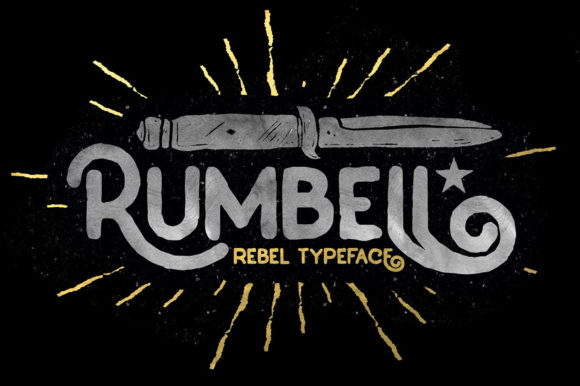
In the landscape of visual communication, typography is rarely just about readability; it is a primary vehicle for tone, personality, and strategic positioning. When selecting a typeface, decision-makers often gravitate toward safety, choosing ubiquitous sans-serifs or traditional serifs that blend into the background. However, there are moments when a brand or project requires a distinct visual anchor—a typeface that conveys texture, history, and a deliberate sense of craft. Rumbell falls squarely into this category. It is a cool, rough-textured display font that offers an original look capable of elevating a wide range of creative applications, from high-end letterheads to tactile stationery designs.
Understanding how to deploy a font like Rumbell requires moving beyond aesthetic preference into the realm of strategic design. This article explores the practical applications of Rumbell, examining how its unique characteristics can support branding goals, enhance customer experience, and communicate specific values without relying on clichés or overused design trends.
The Strategic Value of Textural Typography
Most modern digital interfaces prioritize clarity and speed. Clean lines and neutral forms reduce cognitive load, allowing users to process information quickly. While this is essential for body text and navigation, it can lead to a homogenized visual identity where brands struggle to differentiate themselves. This is where display fonts with character become strategically valuable.
Rumbell introduces a "rough" quality that mimics the imperfections of hand-printed or stamped materials. In an era dominated by pixel-perfect vector graphics, this intentional irregularity signals authenticity. For entrepreneurs and small business owners, particularly those in the artisanal, culinary, or heritage sectors, this texture serves as a non-verbal cue. It suggests that the product or service behind the brand has been crafted with care, rather than mass-produced by an algorithm.
When used correctly, Rumbell does not compete with content; it frames it. By establishing a strong visual hierarchy through texture, designers can guide the viewer’s eye to key messages. The rough edges create a sense of depth and physical presence, making static text feel tangible. This is particularly effective in contexts where trust and craftsmanship are paramount.
Applications in Stationery and Print Collateral
One of the most immediate and impactful uses for Rumbell is in physical marketing materials. Despite the rise of digital channels, tangible assets remain powerful tools for building lasting impressions. Consider the following use cases:
- Premium Letterheads: Using Rumbell for a company name or header adds weight and authority. The rough texture contrasts sharply with clean, minimalist body text, creating a sophisticated balance between tradition and modernity.
- Event Invitations: For workshops, conferences, or exclusive gatherings, Rumbell can evoke a sense of exclusivity and handmade elegance. It suggests that the event is curated and personal, rather than generic.
- Product Packaging: On labels for food, beverages, or crafts, this font can reinforce the narrative of local sourcing or artisanal production. It visually communicates "handmade" before the consumer even reads the ingredients list.
- Business Cards: A well-spaced layout featuring Rumbell for the name can serve as a memorable conversation starter. It differentiates the card from the sea of standard corporate templates.
The key here is intentionality. The rough texture of Rumbell should complement the material quality of the print. Pairing it with heavy stock paper, embossing, or spot UV coating amplifies its impact. Without these physical enhancements, the subtleties of the font may be lost on screen or low-quality prints.
Integrating Rumbell into Digital Branding
While Rumbell shines in print, its application in digital spaces requires careful consideration. Display fonts are generally not suitable for long-form body copy due to legibility issues at smaller sizes. However, they are highly effective for headlines, logos, and call-to-action buttons where brevity and impact are required.
For bloggers, publishers, and educators, using Rumbell for section headers or pull quotes can break up dense text and add visual interest. It acts as a punctuation mark for the reader’s journey, signaling a shift in topic or emphasis. When designing landing pages or email newsletters, a single line of Rumbell can capture attention more effectively than a paragraph of bolded text.
However, digital rendering can sometimes exaggerate the roughness of a font, leading to jagged edges that appear unprofessional on high-resolution screens. To mitigate this, designers should test Rumbell across various devices and zoom levels. Adjusting kerning (the space between characters) and tracking (the overall spacing of the text) is crucial to ensure that the "cool" aesthetic remains readable and polished.
Supporting Brand Positioning Through Tone
Every brand has a voice. Whether it is authoritative, playful, luxurious, or rugged, typography must align with that voice. Rumbell naturally leans towards a tone that is grounded, experienced, and slightly rebellious. It avoids the stiffness of formal serif fonts and the sterility of geometric sans-serifs.
This makes it an excellent choice for brands that want to position themselves as approachable yet expert. For example, a freelance consultant might use Rumbell to convey reliability and hands-on experience. A hobbyist blogger might use it to express passion and creativity. In both cases, the font supports the narrative without overpowering the message.
Conversely, Rumbell may be inappropriate for industries requiring strict professionalism or clinical precision, such as healthcare, finance, or legal services. In these fields, clarity and neutrality are often more important than character. Misusing a textured display font in these contexts can undermine credibility, suggesting a lack of seriousness or attention to detail.
Decision-Making Framework for Font Selection
Selecting Rumbell is not merely an aesthetic choice; it is a strategic decision that impacts user experience and brand perception. Before committing to this typeface, consider the following questions to ensure alignment with your goals:
- What is the primary objective? Are you trying to stand out in a crowded market, or do you need to blend in? If differentiation is key, Rumbell’s unique texture provides a competitive advantage.
- Who is the audience? Does your target demographic appreciate artisanal aesthetics and handcrafted vibes? If your audience values minimalism and efficiency, Rumbell may create unnecessary friction.
- Where will it live? Will this font be used primarily in print, on web headers, or in social media graphics? Ensure that the medium supports the font’s characteristics. High-resolution printing is ideal for showcasing its details.
- How will it pair? Typography is a system. Rumbell works best when paired with simple, neutral sans-serif fonts for body text. This contrast allows the display font to shine while maintaining readability. Avoid pairing it with other decorative fonts, which can create visual chaos.
Risks and Mitigation Strategies
Even the best tools can be misused. One of the most common risks associated with display fonts like Rumbell is overuse. When every headline uses a bold, textured font, the design loses its hierarchy and becomes exhausting to read. This "noise" dilutes the message and reduces engagement.
To avoid this, treat Rumbell as a spice rather than the main course. Use it sparingly to highlight key elements. Another risk is poor reproduction. If the rough edges of the font are too aggressive, they may cause moiré patterns or blurriness when scaled down. Always preview your designs at actual size before finalizing them.
Additionally, be mindful of accessibility. High contrast between the rough texture and the background is essential for readability. Low-contrast combinations, such as light gray text on white, can make Rumbell difficult to decipher for users with visual impairments. Adhering to Web Content Accessibility Guidelines (WCAG) ensures that your design is inclusive and professional.
Long-Term Impact on Brand Equity
Consistency is the cornerstone of brand equity. Once you decide to incorporate Rumbell into your visual identity, it should be applied consistently across all touchpoints. This includes your website, social media profiles, packaging, and internal documents. Consistent use reinforces brand recognition and builds trust over time.
Furthermore, thoughtful typography contributes to the overall user experience. A well-designed typographic system guides users effortlessly through content, reducing frustration and increasing satisfaction. When customers associate a positive experience with your brand’s visual language, they are more likely to return and recommend your services to others.
In conclusion, Rumbell is more than just a cool, rough-textured display font. It is a strategic asset that can enhance communication, support branding goals, and differentiate your work in a saturated market. By approaching its use with intentionality, planning, and a clear understanding of context, you can leverage its unique qualities to achieve better results. Whether you are crafting a letterhead, designing a logo, or updating your website, let Rumbell help you tell your story with authenticity and impact.
Remember, the goal of design is not just to look good, but to work well. Use Rumbell not because it is trendy, but because it aligns with your message and resonates with your audience. In doing so, you transform typography from a mere functional element into a powerful tool for strategic growth.