Ghost Armor: A Bold Typeface for High-Impact Design
In the crowded landscape of digital and print design, typography serves as the primary vehicle for tone, authority, and visual hierarchy. Among the vast array of available typefaces, certain fonts emerge not merely as functional tools but as distinct stylistic statements. Ghost Armor is one such typeface—a bold, thick-lettered display font characterized by its rough texture and commanding presence. For designers, marketers, and content creators seeking to inject immediate visual weight into their projects, Ghost Armor offers a compelling asset that bridges the gap between industrial ruggedness and modern graphic flair.
Evaluating a font requires looking beyond aesthetic appeal to consider its utility, versatility, and longevity within a design workflow. This analysis explores the specific characteristics of Ghost Armor, examining how its unique textural qualities influence readability, brand perception, and practical application across various media. Whether you are a freelancer crafting a logo or an educator designing course materials, understanding the nuances of this display font can help determine if it aligns with your creative goals.
Defining Characteristics and Visual Identity
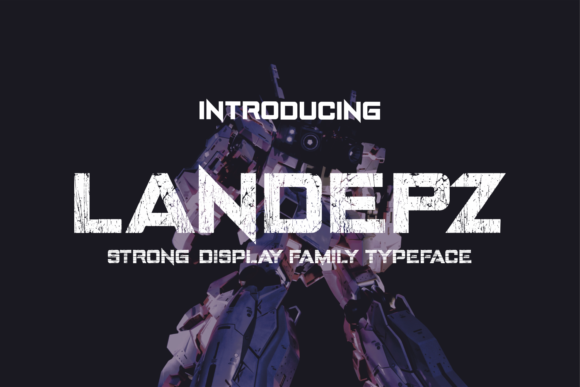
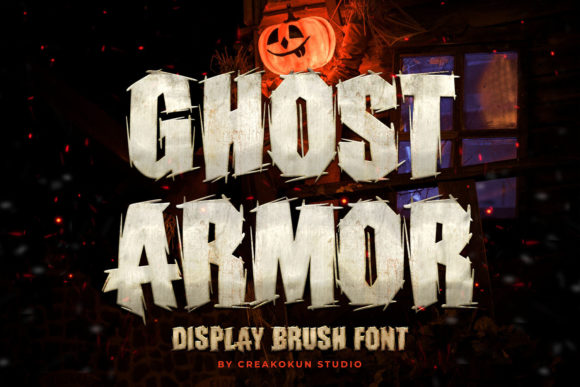
The core identity of Ghost Armor lies in its aggressive geometry and tactile surface treatment. Unlike clean, minimalist sans-serif fonts that prioritize neutrality and legibility at small sizes, Ghost Armor is designed to be seen. Its letters are constructed with substantial thickness, creating a heavy visual footprint that demands attention. This "bold" classification is not just about stroke width; it refers to the overall density of the character shapes, which occupy space decisively on the page or screen.
The defining feature, however, is the rough texture applied to the letterforms. This texture mimics the look of weathered metal, distressed concrete, or eroded stone, giving the font a sense of history and physicality. In a digital environment where pixels are typically smooth and vector-based, this simulated imperfection adds a layer of depth and authenticity. It breaks the sterility often associated with standard web typography, introducing an element of raw energy that can elevate a flat design into something more dynamic.
This combination of thick strokes and textured surfaces creates a high-contrast visual effect. When paired with lighter body copy or negative space, Ghost Armor stands out sharply, ensuring that headlines, titles, and key messages are never overlooked. The font’s structure suggests strength and durability, making it particularly effective for topics related to resilience, heritage, construction, music, or urban culture.
Practical Applications and Use Cases
Understanding where Ghost Armor fits best in a design project is crucial for maximizing its impact. As a display font, it is intended for short bursts of text rather than long-form reading. Its rough texture and heavy weight can become visually fatiguing if used extensively, so strategic placement is key. Below are several scenarios where this font demonstrates significant value:
- Brand Identity and Logos: For businesses in industries such as fitness, automotive repair, craft brewing, or outdoor gear, Ghost Armor provides an instant association with toughness and reliability. A logo set in this font communicates substance without needing additional imagery.
- Event Posters and Flyers: Concerts, festivals, and sports events often require typography that conveys excitement and intensity. The distressed edges of Ghost Armor add a gritty, authentic feel that resonates well with audiences expecting high-energy experiences.
- Social Media Graphics: In the fast-scrolling environment of platforms like Instagram or LinkedIn, bold text stops the thumb. Using Ghost Armor for quote cards, announcements, or promotional banners ensures that the message is grasped instantly, even on smaller mobile screens.
- Product Packaging: For products aiming to stand out on retail shelves, the textured appearance of Ghost Armor can differentiate a package from competitors using cleaner, more corporate typefaces. It works particularly well for limited-edition releases or premium goods that want to emphasize craftsmanship.
For educators and bloggers, Ghost Armor can be used sparingly to highlight section headers or pull quotes. While it should not replace body text, its ability to draw the eye makes it useful for guiding readers through complex articles or breaking up dense blocks of information.
Quality, Consistency, and Technical Performance
From a technical standpoint, the quality of a font is measured by its consistency across different weights, its rendering clarity, and its compatibility with standard design software. Ghost Armor is engineered to maintain its structural integrity whether scaled up for a billboard or down for a business card. The rough texture is integrated into the vector paths, meaning it does not rely on external filters or effects to achieve its look. This ensures that the font remains crisp and scalable, avoiding the pixelation or blurring that can occur with rasterized textures.
One aspect worth noting is the balance between texture and legibility. While the rough edges add character, they can occasionally interfere with the recognition of similar letterforms, such as 'I', 'l', and '1'. Designers must be mindful of kerning and spacing when using Ghost Armor, particularly in tight layouts. Adequate whitespace is essential to prevent the heavy letters from clashing and creating visual noise. By allowing the font room to breathe, designers can preserve its impact while maintaining readability.
Compatibility is another strong point. Ghost Armor is typically distributed in standard formats (such as OTF or TTF) that integrate seamlessly with major design suites like Adobe Creative Cloud, Affinity, and Canva. This ease of use reduces friction in the workflow, allowing professionals to incorporate the font quickly without dealing with licensing hurdles or installation complexities. For freelancers and small business owners who may not have dedicated IT support, this straightforward usability is a significant advantage.
Audience Fit and Strategic Considerations
Not every project benefits from a heavy, textured display font. Ghost Armor is best suited for audiences and contexts where boldness is an asset. It aligns well with demographics that appreciate directness, strength, and unpolished authenticity. However, it may clash with brands or communications that aim for elegance, subtlety, or corporate professionalism. For instance, a law firm or a healthcare provider might find Ghost Armor too aggressive, opting instead for a more refined serif or sans-serif typeface.
For entrepreneurs and marketers, the decision to use Ghost Armor should be driven by brand voice. If the goal is to convey innovation, trust, and calm, this font may work against those objectives. Conversely, if the brand narrative centers on endurance, rebellion, or hands-on creation, Ghost Armor becomes a powerful ally. It helps establish an immediate emotional connection with the viewer, bypassing rational analysis to evoke a visceral response.
Long-term value is also a consideration. Trends in typography shift frequently, but fonts with strong foundational structures tend to endure. The industrial aesthetic embodied by Ghost Armor has remained relevant across decades, appearing in everything from punk rock album covers to modern tech branding. This timelessness suggests that investing in Ghost Armor is not just a reaction to current trends but a choice for enduring style.
Limitations and Best Practices
While Ghost Armor is a versatile tool, it comes with inherent limitations. Its primary constraint is its lack of subtlety. It cannot whisper; it must shout. Therefore, it should not be used for nuanced messaging or detailed explanations. Overuse can lead to visual fatigue, causing the audience to disengage. To mitigate this, designers should pair Ghost Armor with simpler, neutral typefaces for supporting text. A clean sans-serif or a classic serif can provide the necessary contrast, allowing Ghost Armor to shine as the focal point without overwhelming the composition.
Additionally, color selection plays a critical role in how Ghost Armor is perceived. Dark backgrounds with light text can enhance the distressed texture, making the rough edges pop. Conversely, light backgrounds with dark text may soften the impact, requiring larger sizes to maintain visibility. Experimentation with color palettes is recommended to find the optimal balance for each specific project.
Final Assessment
Ghost Armor is a robust addition to any font library, offering a distinctive blend of boldness and texture that commands attention. Its strengths lie in its ability to convey strength, authenticity, and energy, making it ideal for logos, posters, and promotional graphics. While it requires careful handling to avoid legibility issues and overuse, its technical quality and broad compatibility make it a reliable choice for professionals across various fields.
For those seeking to break away from generic design norms and inject personality into their visual communication, Ghost Armor provides a practical and effective solution. It is not a universal replacement for standard typefaces but rather a specialized tool for specific moments of high impact. When used with intention and restraint, it enhances the overall effectiveness of a design, ensuring that the message is not only read but felt.