Graffiti Font Evaluation
In the landscape of digital typography, certain typefaces transcend their functional role to become cultural signifiers. Graffiti is one such font, a display typeface that captures the raw energy, distressed textures, and rebellious spirit of street art. For designers, marketers, and creative directors, selecting the right font is not merely an aesthetic choice but a strategic decision that communicates brand identity before a single word is read. This evaluation explores the characteristics, applications, and limitations of Graffiti to help you determine if it aligns with your project goals.
Understanding the Visual Identity of Graffiti
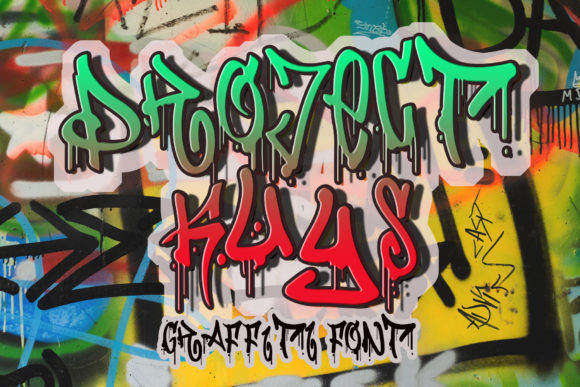
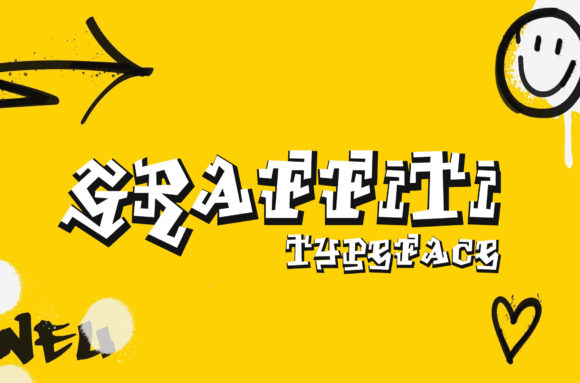
To evaluate Graffiti effectively, one must first understand its visual language. Unlike traditional serif or sans-serif fonts that prioritize legibility and neutrality, Graffiti is designed to be expressive. It mimics the appearance of spray paint applied to rough surfaces, featuring uneven edges, drips, and a general sense of imperfection. This "distressed" look is intentional, evoking the authenticity of urban environments and underground culture.
The font’s structure often includes bold, heavy strokes that command attention. However, this emphasis on style comes at the cost of uniformity. The letters may vary in weight, alignment, and clarity, creating a dynamic but chaotic visual experience. This makes Graffiti inherently unsuitable for body text or long-form reading, where consistency and ease of decoding are paramount. Instead, it serves as a powerful tool for headlines, logos, and short impactful messages where emotional resonance takes precedence over informational density.
Primary Use Cases and Applications
When considering Graffiti for a design project, it is crucial to match the font’s personality with appropriate mediums. Its strength lies in contexts where energy, youthfulness, and non-conformity are desired attributes. Below are common scenarios where Graffiti proves to be a strong fit:
- Sportswear and Athletic Brands: The aggressive and energetic nature of graffiti art aligns well with sports culture. Using this font on jerseys, sneakers, or promotional materials can convey movement, power, and competitive spirit.
- Fashion and Apparel Design: For t-shirts, hoodies, and streetwear collections, Graffiti adds an edge that appeals to younger demographics. It transforms simple garments into statements of individuality and rebellion.
- Event Posters and Advertisements: Music festivals, skate competitions, and urban art exhibitions benefit from the immediate visual impact of graffiti-style typography. It grabs attention in crowded spaces and signals that the event is vibrant and contemporary.
- Logos and Branding: While risky for established corporate identities, Graffiti can be effective for startups or brands aiming to disrupt traditional industries. It signals innovation, creativity, and a break from convention.
Evaluating Benefits and Tradeoffs
No typeface is without its compromises. Understanding the benefits and tradeoffs of Graffiti is essential for making an informed decision. The primary advantage of this font is its ability to evoke strong emotions instantly. It does not require explanation; the viewer immediately associates it with urban culture, freedom, and artistic expression. This emotional shortcut can be invaluable in marketing campaigns targeting specific subcultures.
However, the tradeoff is significant: legibility. The distressed and irregular nature of the letters can make them difficult to read, especially at small sizes or from a distance. If the message relies on clear communication of complex information, Graffiti is likely a poor choice. Furthermore, because the style is so distinct, it carries cultural baggage. In some contexts, graffiti may be associated with vandalism or disorder rather than artistry. Designers must consider how these associations might affect their audience’s perception of the brand.
Readability and Accessibility Considerations
Accessibility is a critical factor in modern design. Fonts like Graffiti often fail to meet accessibility standards due to their low contrast and irregular shapes. They can be challenging for individuals with dyslexia or visual impairments to decode. Therefore, if inclusivity is a priority for your project, it is advisable to use Graffiti only for decorative elements or large headings, paired with a highly legible sans-serif font for supporting text.
When to Choose Alternatives
While Graffiti is versatile within its niche, there are many situations where alternative typefaces would serve better. Recognizing these boundaries prevents misapplication and ensures professional results.
- Corporate and Professional Environments: For law firms, financial institutions, or healthcare providers, Graffiti’s casual and chaotic vibe undermines trust and authority. In these cases, clean, structured fonts like Helvetica, Garamond, or Roboto are more appropriate.
- Digital Interfaces: User interfaces (UI) require high readability across various screen sizes and resolutions. The irregularities of Graffiti can render poorly on digital displays, leading to user frustration. System fonts or web-safe sans-serifs are safer bets for apps and websites.
- Long-Form Content: Books, articles, and reports demand fonts that reduce eye strain. Graffiti is visually exhausting to read in paragraphs. Always reserve display fonts for titles and subtitles.
If you need the energy of street art but require better readability, consider exploring hybrid fonts that blend graffiti aesthetics with cleaner structures. Alternatively, using hand-drawn brush scripts or modern geometric sans-serifs can provide a contemporary feel without the clutter associated with traditional graffiti styles.
Practical Decision-Making Insights
To determine if Graffiti is the right choice for your project, ask yourself a series of diagnostic questions. First, what is the core emotion you want to convey? If the goal is to inspire excitement, rebellion, or creativity, Graffiti is a viable option. Second, who is your target audience? Younger, urban demographics are more likely to respond positively to this style than older or more conservative groups.
Third, consider the context of display. Will the font be used on a large billboard, a social media graphic, or a business card? Large-scale applications allow for the stylistic details of Graffiti to shine, while small-scale uses may result in illegibility. Finally, think about longevity. Trends in street art and typography evolve rapidly. A font that feels cutting-edge today may appear dated in a few years. Assess whether the brand identity you are building requires a timeless foundation or a trend-driven aesthetic.
Conclusion
Graffiti is a potent typographic tool that brings the vibrancy of street art to digital and print designs. Its distressed, bold character makes it ideal for sportswear, fashion, events, and brands seeking to project an edgy, youthful image. However, its strengths are also its weaknesses; the lack of legibility and potential for negative cultural associations limit its applicability in professional, digital, and long-form contexts.
By carefully weighing these factors against your specific needs, you can decide whether Graffiti enhances your message or detracts from it. When used strategically, it can transform a design from ordinary to unforgettable. But when applied indiscriminately, it risks confusing the audience and undermining credibility. As with all design choices, the key lies in intentionality and understanding the relationship between form and function.